
Sign in to continue — we’ll finish this for you. No account? Sign up
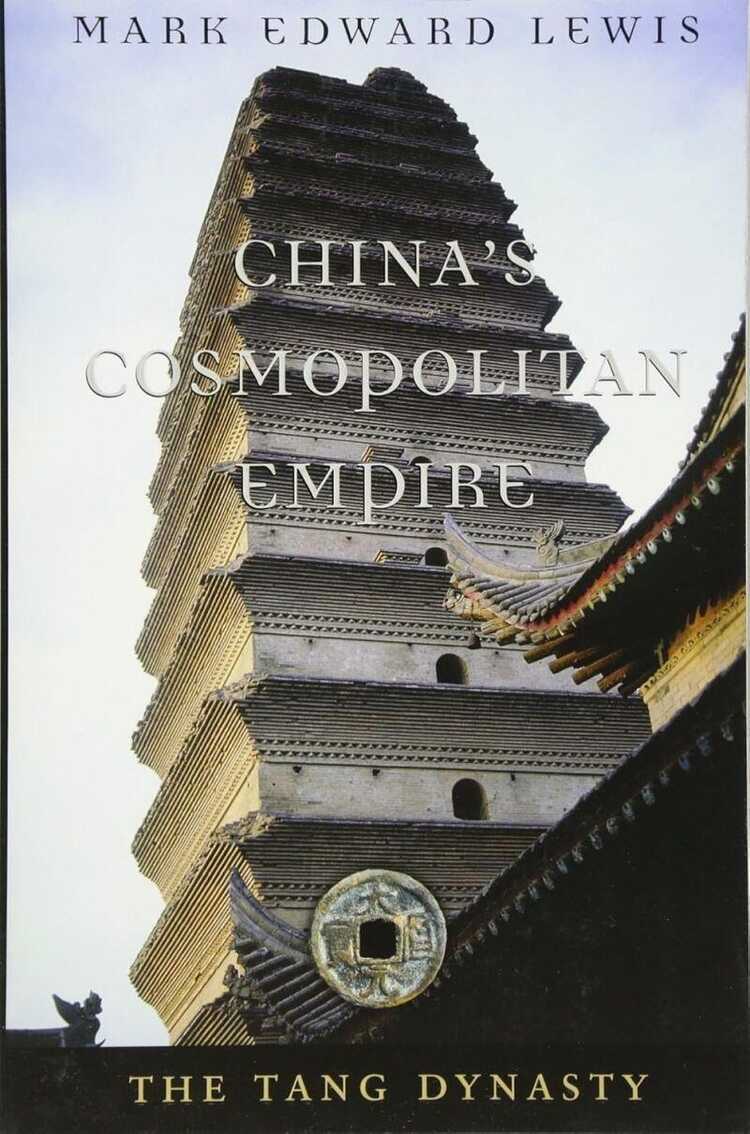
China’s Cosmopolitan Empire
The Tang dynasty is often called China’s “golden age,” a period of commercial, religious, and cultural connections from Korea and Japan to the Persian Gulf, and a time of unsurpassed literary creativity. Mark Lewis captures a dynamic era in which the empire reached its greatest geographical extent under Chinese rule, painting and ceramic arts flourished, women played a major role both as rulers and in the economy, and China produced its finest lyric poets in Wang Wei, Li Bo, and Du Fu.
The Chinese engaged in extensive trade on sea and land. Merchants from Inner Asia settled in the capital, while Chinese entrepreneurs set off for the wider world, the beginning of a global diaspora. The emergence of an economically and culturally dominant south that was controlled from a northern capital set a pattern for the rest of Chinese imperial history. Poems celebrated the glories of the capital, meditated on individual loneliness in its midst, and described heroic young men and beautiful women who filled city streets and bars.
Despite the romantic aura attached to the Tang, it was not a time of unending peace. In 756, General An Lushan led a revolt that shook the country to its core, weakening the government to such a degree that by the early tenth century, regional
▾ Read more▴ Show less
Available for Swap
0Nobody is offering this for swap right now.
Notify me when availableReviews
Bu kitaba henüz yorum yapılmamış. İlk yorumu sen yaz.
Similar books
Studio Prints, London
Andrew Dempsey,
New Directions in the History of the Jews in the Polish Lands
Kill the Villainess, Vol. 6
V06
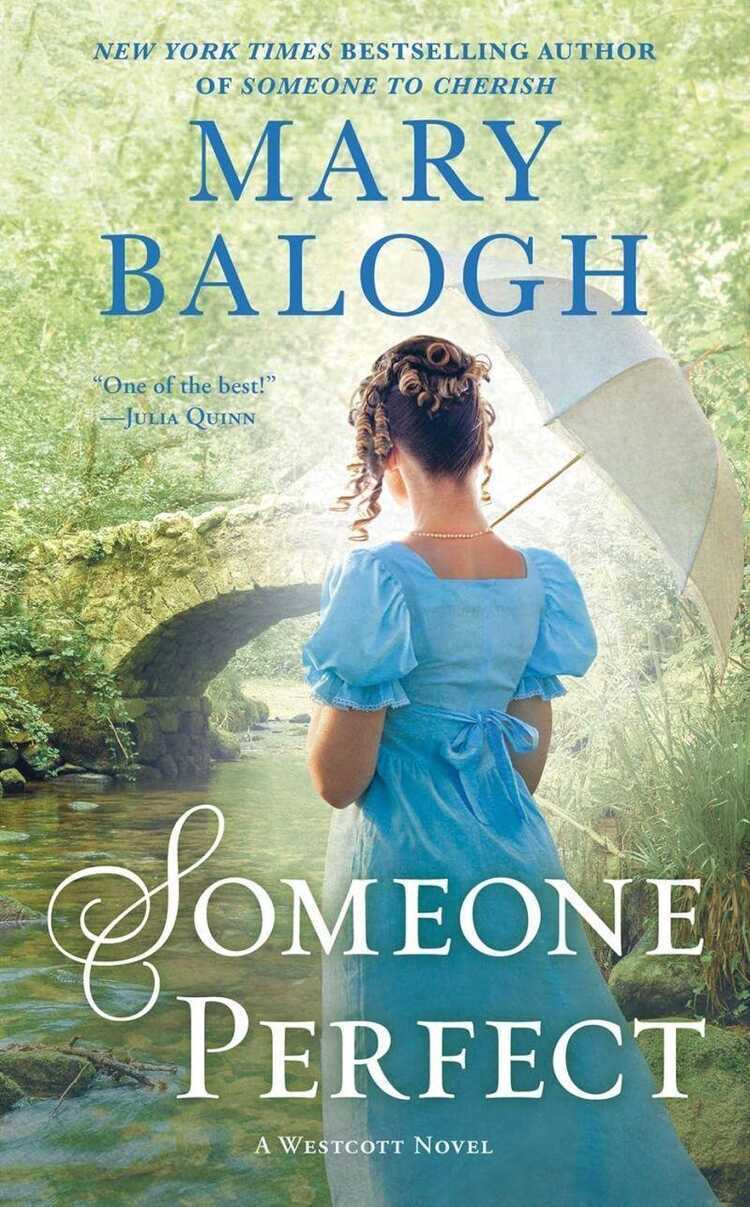
Someone Perfect
Mary Balogh

Someone to Cherish
Mary Balogh

Someone to Trust
Mary Balogh
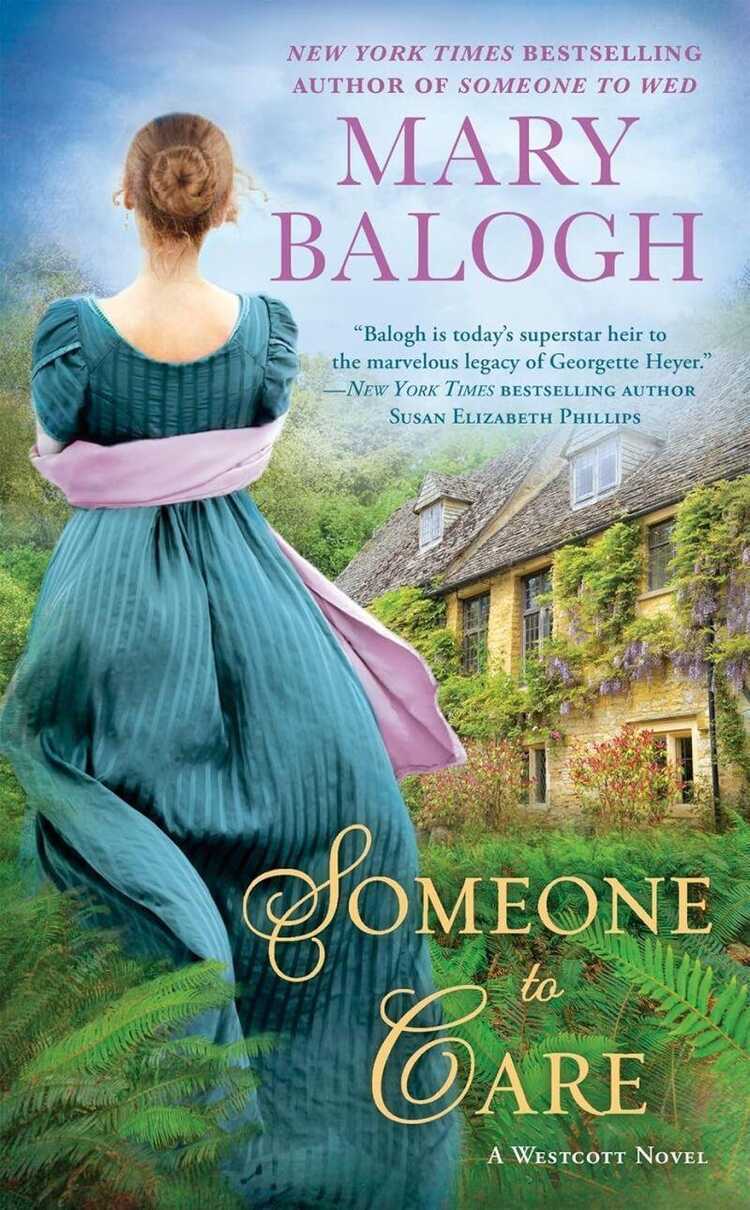
Someone to Care
Mary Balogh
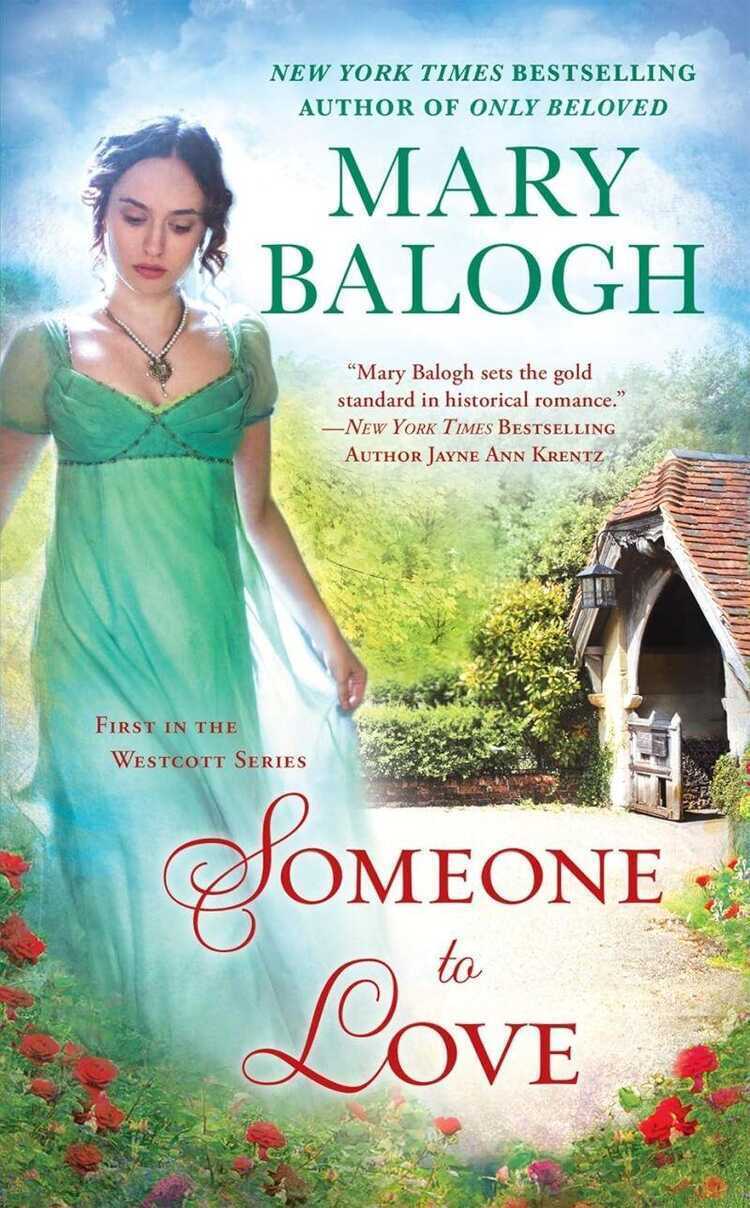
Someone to Love
Mary Balogh
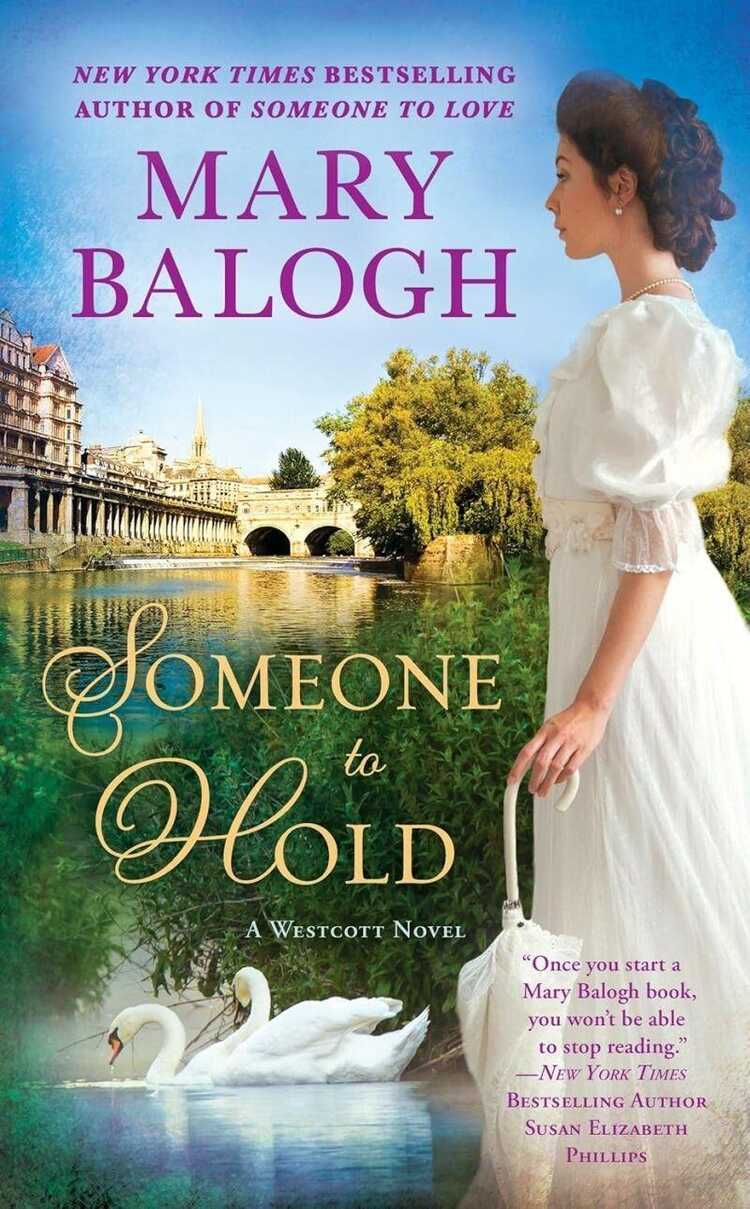
Someone to Hold
Mary Balogh
Someone to Wed
Mary Balogh
The Origin Of Lithuanian Nation
Rimantas Matulis
The Club
Jonathan Clegg