
Connectez-vous pour continuer — nous terminerons l’action pour vous. Pas de compte ? Inscrivez-vous
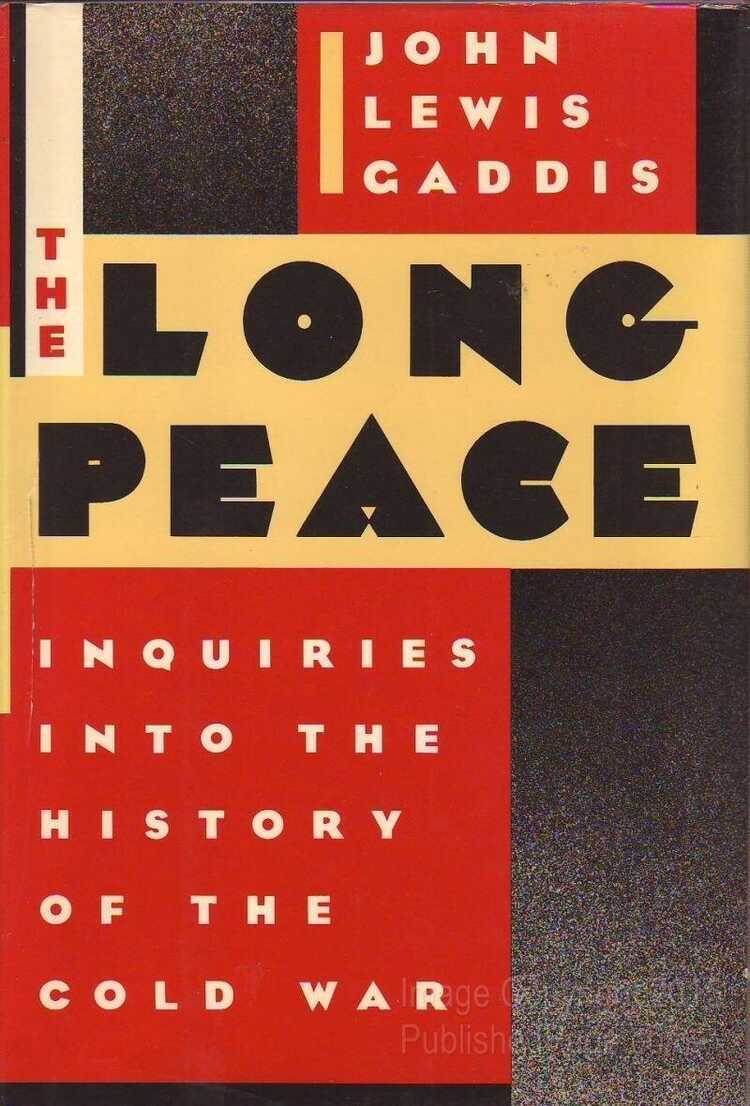
The Long Peace
Description en anglais
How has it happened that the United States and the Soviet Union have managed to get through more than four decades of Cold War confrontation without going to war with one another? Historian John Lewis Gaddis suggests answers to this and other vital questions about postwar diplomacy in his new book, The Long Inquiries into the History of the Cold War.
Gaddis uses recently-declassified American and British documents to explore several key issues in Cold War history that remain Precisely what was it about the Soviet Union's behavior after World War II that American leaders found so threatening? Did the United States really want asphere of influence in postwar Europe? What led the Truman administration first to endorse, but then immediately to back away from, a strategy designed to avoid American military involvement on the mainland of Asia? Why did the United States not use nuclear weapons during the decade in which it had an effective monopoly over them? Did American leaders really believe in the existence of an international communist "monolith"? How did Russians and Americans fall into the habit of not shooting down each other's reconnaisance satellites?
Relating these questions to the current status of Soviet-American relations, Gaddis makes a strong case for the relative stability of the postwar international system, a stability whose components include--and go well beyond --nuclear deterrence. The result is a provocative exercise in contemporary history, certain to generate interest, discussion, and, in the end, important new insights on both past and present aspects of the age in which we live.
▾ Lire la suite▴ Réduire
Disponible à l'échange
0Personne ne propose cet échange pour l'instant.
Me prévenir quand disponibleAvis
Bu kitaba henüz yorum yapılmamış. İlk yorumu sen yaz.
Livres similaires
Quand commence le capitalisme ?
Jérôme Baschet
De La Liberté Des Femmes
Emma Goldman
Le Morisque
Hassan Aourid
Max
Alain Henriet
Les Égyptíennes
Christian Jacq

Paris Haute Couture
Olivier Saillard
La Fabrication de l'ennemi
Pierre CONESA
L'Homme Nouveau de la Turquie Républicaine
Ahmet Emre Ateş
Les civilisations de l'Inde
Gustave Le Bon
Le Nil Et La Civilisation égyptienne
Alexandre Moret
Alix Senator: Les Aigles de sang
Valérie Mangin
Histoire de la Médecine Arabe
Lucien Leclerc